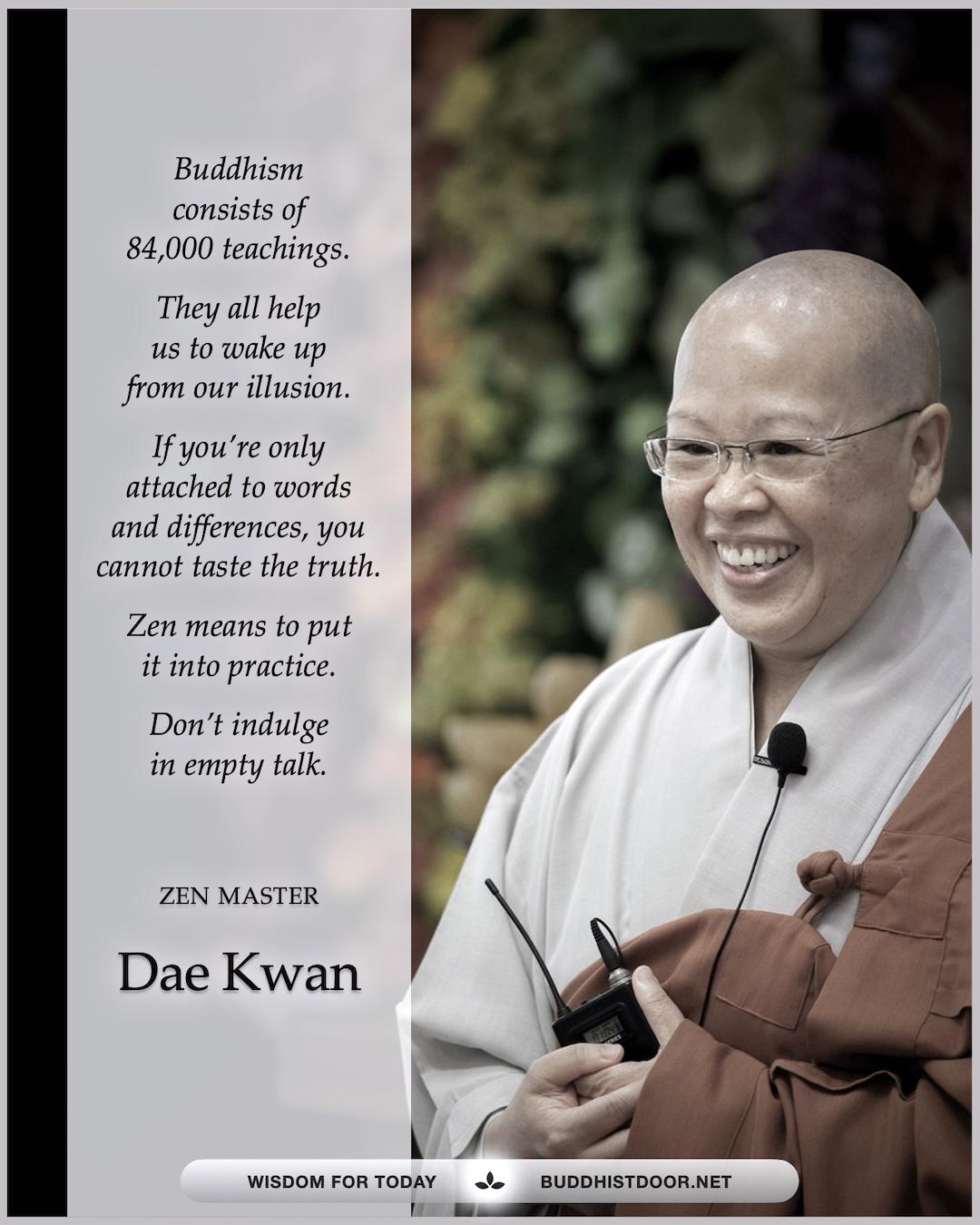
This one is hard, and deeply personal as a survivor of abuse.
The Quiet Hierarchies: White Supremacy and Abuse in American Zen Centers.
American Zen Buddhism has long presented itself as a refuge from ego, hierarchy, and harm—a spiritual alternative to the violences of Western modernity.
Yet over the past several decades, a growing body of testimony, scholarship, and survivor accounts has revealed a more troubling reality: many American Zen centers have reproduced the very systems of domination they claim to transcend.
Chief among these are white supremacy, authoritarian abuse, and institutional gaslighting.
This is not a claim that Zen itself is inherently abusive, nor that all American Zen centers are the same. Rather, it is an examination of how Zen, when transplanted into a white-dominated American cultural context, has often been reshaped in ways that protect power, silence harm, and marginalize those already oppressed.
Zen as a White Cultural Project
From its popularization in the mid-20th century, American Zen was largely curated for white, educated, middle- and upper-class audiences. Asian teachers were frequently exoticized while Asian-American practitioners were sidelined. The resulting institutions often treated Zen as a “universal” practice stripped of culture—yet the culture that remained was unmistakably white.
This so-called “culturelessness” functioned as a form of white supremacy. Norms around speech, comportment, conflict resolution, and emotional expression reflected white Protestant values of restraint, individualism, and deference to authority.
When practitioners of color named racism or exclusion, they were often told they were being “attached,” “reactive,” or “not practicing.”
In this way, Zen rhetoric—non-attachment, emptiness, no-self—became a powerful tool for racial silencing.
Spiritual Bypassing as Institutional Policy
One of the most damaging features of abusive Zen centers is the systematic use of spiritual concepts to avoid accountability.
This phenomenon, often called spiritual bypassing, is not incidental; it is structural.
Harm is reframed as “teaching.”
Anger becomes “ego.”
Boundaries become “attachment.”
Calls for justice become “dualistic thinking.”
When abuse is reported—whether sexual, emotional, racial, or financial—it is frequently minimized through appeals to impermanence or the supposed inscrutability of so called enlightened teachers. The burden is shifted onto the harmed person to transcend their pain rather than onto the institution or teacher to change its behavior.
This dynamic mirrors broader white supremacist patterns in which institutions prioritize comfort, stability, and reputation over truth and repair.
Authoritarian Lineages and Untouchable Teachers.
Many American Zen centers are built around rigid hierarchies that place teachers beyond meaningful scrutiny. The doctrine of lineage—imported selectively and often ahistorically—has been used to confer near-absolute authority on predominantly male teachers, while discouraging questioning from students.
This has created fertile ground for abuse. Numerous Zen teachers in the United States have been credibly accused of sexual misconduct, emotional manipulation, and coercive control. In many cases, governing boards were composed of the teacher’s students, rendering genuine accountability impossible.
These patterns resemble cult dynamics more than liberatory spiritual practice.
The Erasure of Harmed Voices.
When survivors speak out, they are often met with institutional defensiveness rather than care. Zen centers frequently respond by
ostracizing or expelling complainants, falsely framing criticism as “sangha disruption”, centering the abuser.
This mirrors white institutional responses to harm in universities, nonprofits, and churches. The sangha’s self-image as compassionate and enlightened makes it particularly resistant to acknowledging abuse, because doing so threatens its moral authority.
Who Gets to Belong?
The cumulative effect of these dynamics is exclusion. Many people—especially people of color, queer and trans practitioners, disabled practitioners, and trauma survivors—find that American Zen centers are not safe places to practice. Myself included , having been abused several times by my own teacher.
Silence is rewarded.
Obedience is praised.
Suffering is aestheticized.
Power remains unexamined.
Zen, a tradition that teaches liberation from suffering, becomes instead a mechanism for managing dissent and maintaining hierarchy.
Meaningful change requires more than just statements or diversity.
It requires:
Naming white supremacy explicitly, not metaphorically.
Relinquishing unaccountable teachers powers and authority .
Centering harmed voices over institutional or teacher reputation.
Treating abuse as harm, not “practice”.
Understanding Zen as embodied, ethical, and relational—not merely philosophical.
Without this work, American Zen risks becoming a spiritualized echo of the very systems of domination it claims to transcend.
The myth of Zen as inherently peaceful or pure has allowed real harm to persist unchecked. To love Zen deeply is not to protect its institutions at all costs, but to subject them to rigorous ethical scrutiny.
Liberation teachings that cannot face power, race, and abuse are not liberatory—they are decorative.
And silence, no matter how serene, is not enlightenment.
I will no longer remain silent.
I was abused by my Zen teacher.